 The Blenny Guide
Bath 1994
 Introduced to the Canary islands, São Tomé and Príncipe and the Eastern Pacific
 Introduced to the Canary islands, São Tomé and Príncipe and the Eastern Pacific
Short orbital cirri with multiple stems but with little branches. Nasal cirri similar.
Colour highly variable, base colour can be translucent to black. Large orange spots on head which are dim in darker individuals. Cirri often pale but can be black. A dark blotch on the cheek. Front dorsal fin may have a dark spot.
Males: orange blotches and spots on upper body, seems to form horizontal rows.
Females: a series of dark blotches along the body with no orange blotching or spotting.
Reaches 7.5 cm / 3.0 in.
Rocky reefs and inside holes and crevices.
0 - 24 m / 0 - 79 ft.
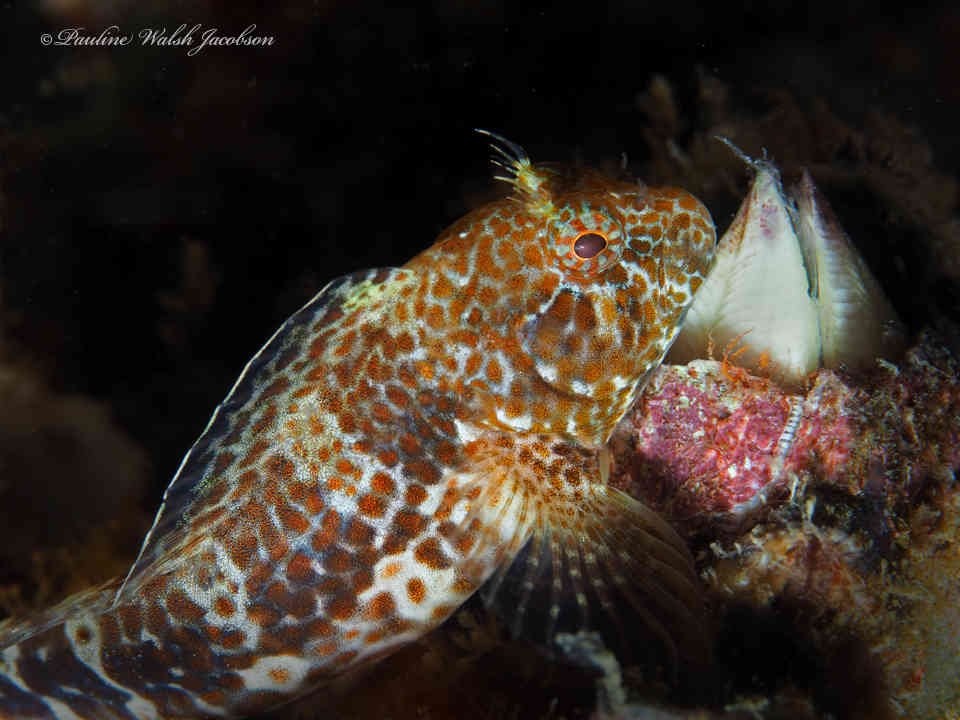


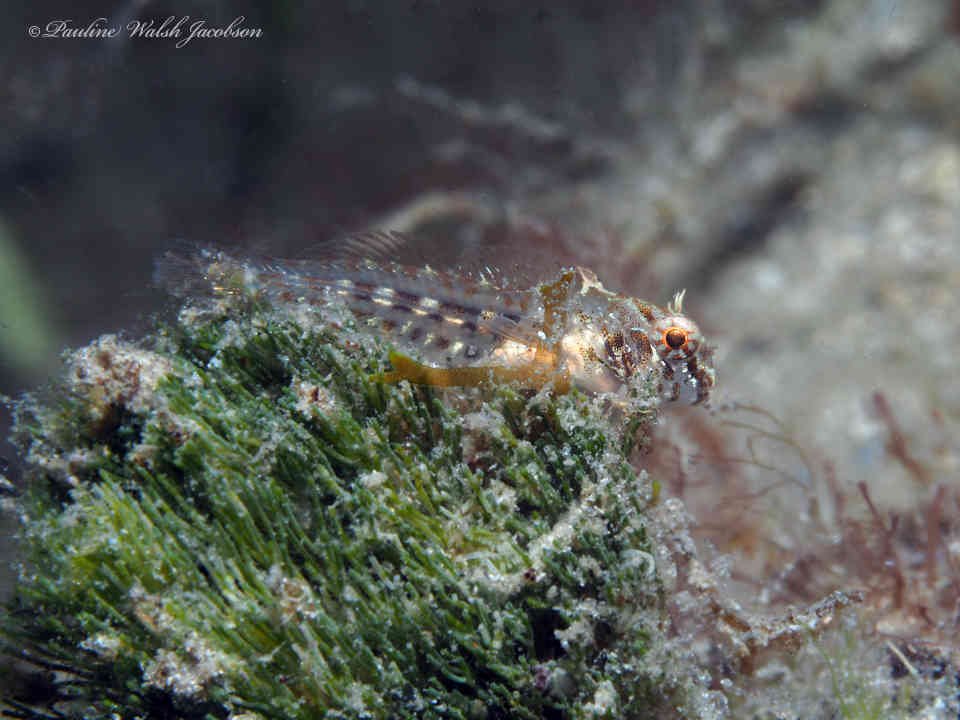
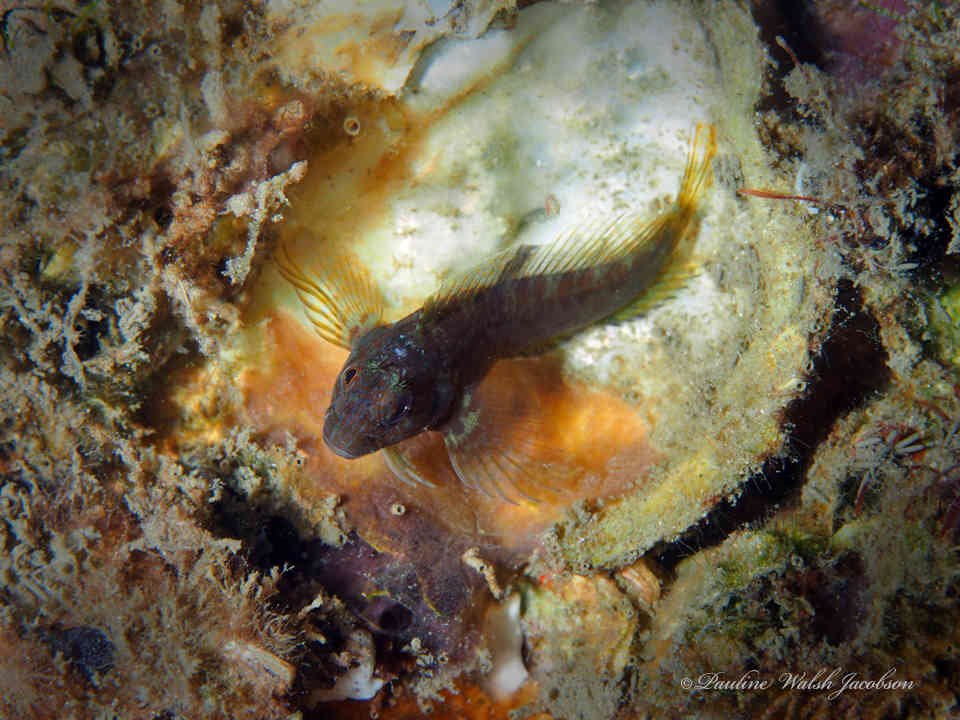


No morphological information yet, data is being added...
IUCN Marine Biodiversity Unit 2024. Hypleurochilus pseudoaequipinnis. The IUCN Red List of Threatened Species. Version 2025-2. Accessed on 16 September 2026.
https://www.iucnredlist.org/
GBIF.org (16 September 2026) GBIF Occurrence Download
https://doi.org/10.15468/dl.gnc9tw
Robertson, D. R., & Van Tassell, J. (2023). Shorefishes of the Greater Caribbean: Online information system (Version 3.0). Smithsonian Tropical Research Institute, Balboa, Panamá.
https://biogeodb.stri.si.edu/caribbean/en/thefishes/species/2575
Williams, J.T. 2025. Hypleurochilus pseudoaequipinnis. The IUCN Red List of Threatened Species 2025: e.T47141104A67948891. Accessed on 03 April 2026.
https://dx.doi.org/10.2305/IUCN.UK.2025-2.RLTS.T47141104A67948891.en
Department of Environment and Territorial Planning. Government of the Canary Islands. (n.d.). Atlantis - Hypleurochilus pseudoaequipinnis Bath, 1994.
https://www.biodiversidadcanarias.es/biota/especie/E07361?lang=en